
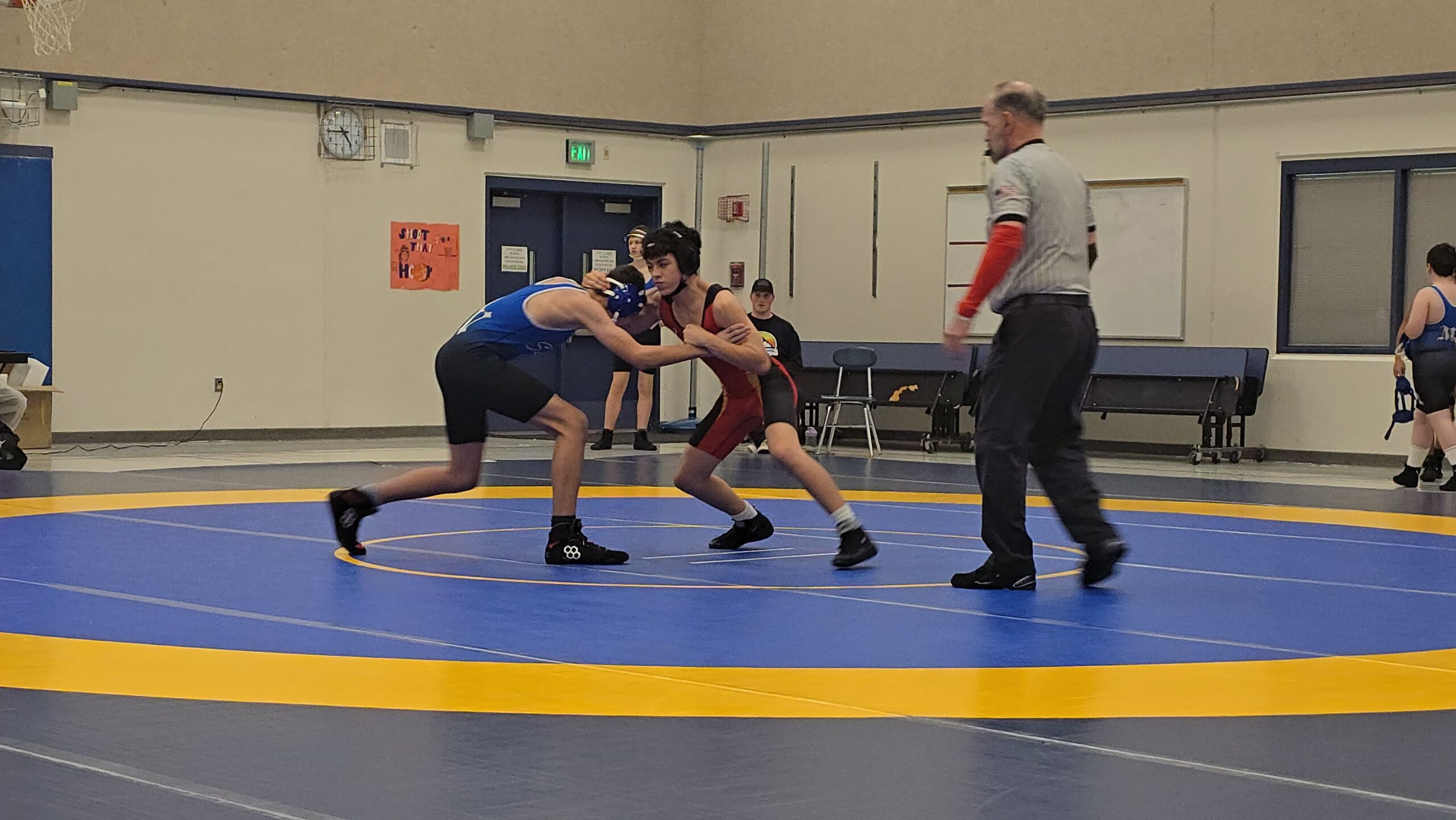
“What sport is the best sport for my kid?” is a question I often get from parents. I get this question a lot because it is not uncommon for their kids to be unsuccessful in organized team sports. They might struggle with behavior and often get benched for chasing their teammates or getting too handsy. Or they leave in tears because, while in left field, they get hit in the face with a ball while their glove is over their face. Or frustration erupts as they yell “no fair” when someone blocks their shot that was surely going in. Some practices end in tears, some in talks from the coach, and many end in a negative experience.
There are many reasons why your kid might struggle in a sport. Inattention, difficult behavior, athletic struggles with the sport, or even the social skills required to play on a team can turn what is supposed to be a fun experience into a hellscape for both child and parent.
Let’s look at the traditional youth sports. Sports like soccer, basketball, or baseball usually take place in a big open space. There is a lot of visual stimulation, like people running in different directions and balls flying around. There is not a lot of body contact, meaning the kiddo is standing out in open space. They also must read an object coming at them, like a ball, and intercept it. Or the opposite: get the ball to someone/something else. There is also a communication and teamwork component. All these things combined can make it hard for any kid, and this is often the case for kids on the neurodiverse spectrum, mainly due to possible sensory struggles. These sports are lacking large amounts of body input and demand high amounts of visual skills. Body input means contact with the body, like pressure, impact, and using muscles to move weight. In this case, to define visual skills, I mean hitting/kicking/throwing a ball at a target or catching/receiving a ball in some way, as well as reading large amounts of space and calculating distance visually.
So, what sports have large amounts of body input and low amounts of visual-motor skills?
Before I launch into this, full disclosure: besides there being truth to these recommendations, I also happen to be extremely biased in these recommendations, as I love them all. Except for swimming. I sink like a rock, and I’m scared of sharks (even in pools).
Grappling:
Grappling is one of the first sports I recommend. Grappling can be anything like wrestling, jiu-jitsu, judo, etc. Grappling is so much body input! Kids must engage in heavy work (moving another person while the other person doesn’t want to be moved). They get deep pressure from getting squished into the mat. Push, pull, climb, crawl- all these cool motor patterns that build strong bodies. In jujitsu and judo, there is also a Gi. Wearing a Gi can give some deep pressure and build strong grips when grappling an opponent who is also wearing a Gi. An obstacle is that grappling is intimate, and you are right up in other people’s business. Kids who like their space might struggle with this aspect of grappling.
Boxing/Kickboxing:
Parents often scoff at this right away because no one wants head trauma for their kid. Totally understandable! When I say boxing, I’m mainly talking about pad work. Hitting a heavy bag or the coach holds mitts. I don’t recommend kids spar right away and you can even avoid sparing all together. Boxing is also heavy work. It’s crossing the midline and using your hands (or feet) to hit a target instead of trying to manipulate a ball. This is building basic coordination skills involving eye-hand coordination. One downside is the sweaty hand component from wearing gloves, which some kids may hate.
Rock climbing:
I don’t recommend starting off at El Cap leading a 5.10, three-pitch climb, but climbing gyms are more common now than ever. Climbing is slow, heavy, and, especially for kids who seek out hanging from stuff, this is an excellent activity. There is a dusty chalk component as well as a height factor here that might be an issue for some kiddos.
Swimming:
Such a great one! Lots of heavy work and water feels good on the skin, and most kids gravitate to water. Downsides could be echoey pools, clammy skin, and not knowing how to swim.
Gymnastics/ninja classes
Push, pull, climb, crawl, jump all over the place for this one. Trampolines, ropes, trapeze, big soft play mats- the gymnastics gym is the ultimate playground! Some struggles here might be the highly demanding motor patterns and a lot of direction following. It’s not usually a free-for-all around the gym, and kids must take turns on equipment.
All these sports are similar in a few ways. There is so much proximal input with these activities. Meaning a lot of body contact, such as deep pressure, impact, and friction, that could be fantastic for some of our tactile seekers. For vestibular seekers, there is a lot of rolling and jumping, and for our heavy work seekers, there is plenty of heavy work. Moving another person, sustaining their own body weight, etc.
There is no object to manipulate other than one’s own body or another person, as in stick-and-ball sports. This reduces the visual-motor component. Fewer flying objects and smaller open spaces for kids to lose their bodies. This reduces the visual stimulation and provides so much body awareness, which can be very organizing for the brain.
These are also not necessarily team sports. Other players do not have to rely on the one participating in it. This takes out some of the higher-tier social skills that some kids might struggle with. Things like communication, reading the body language of another player, missing a shot, or passing a ball to someone else. These components might add an extra layer of stress to the situation that some kids are just not ready to handle.
If your kiddo is struggling with organized sports, then go ahead and try some of these if you have not already. If it works, then great! If not, I’d suggest not giving up on the first try and giving it a go a few times within reason. As long as you are not running into chronic tears and frustrations. There is no magic answer here, but trial and error and more trial and more error until you find an activity that brings joy to your child and positively benefits them.
